Category: Beauty

  • Eczema: Causes, Triggers and Natural Remedies

    I had eczema the first time ever 2 months ago, I was totally shocked because I always thought I had good skin and can never get it. I have seen many people suffer endlessly from eczema and most resort to over the counter medications, topical antibiotics etc.

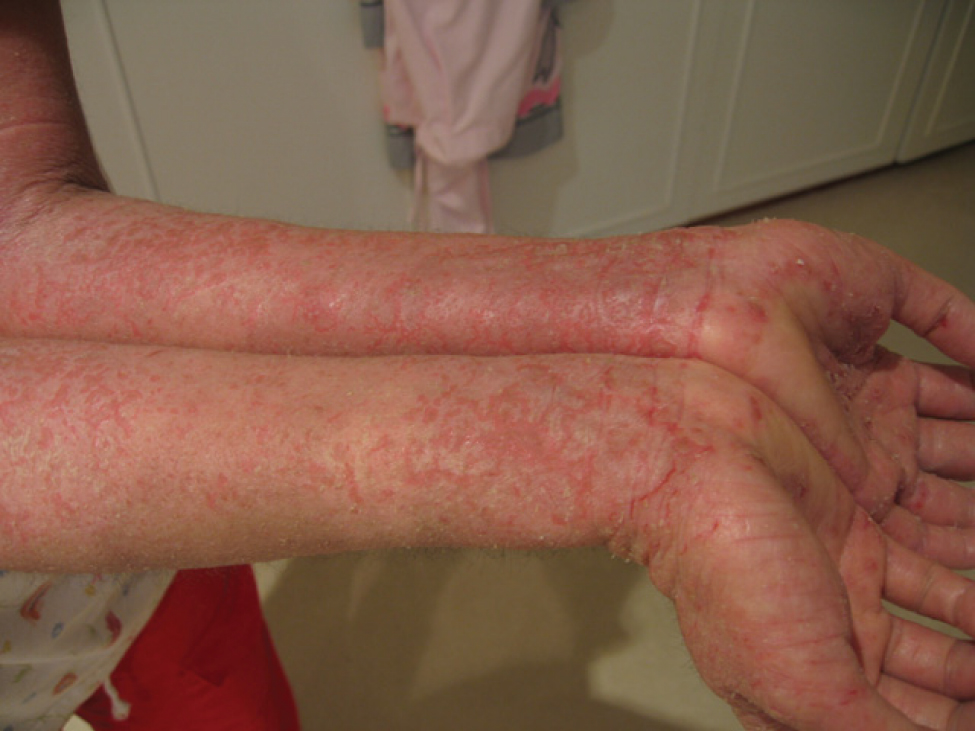
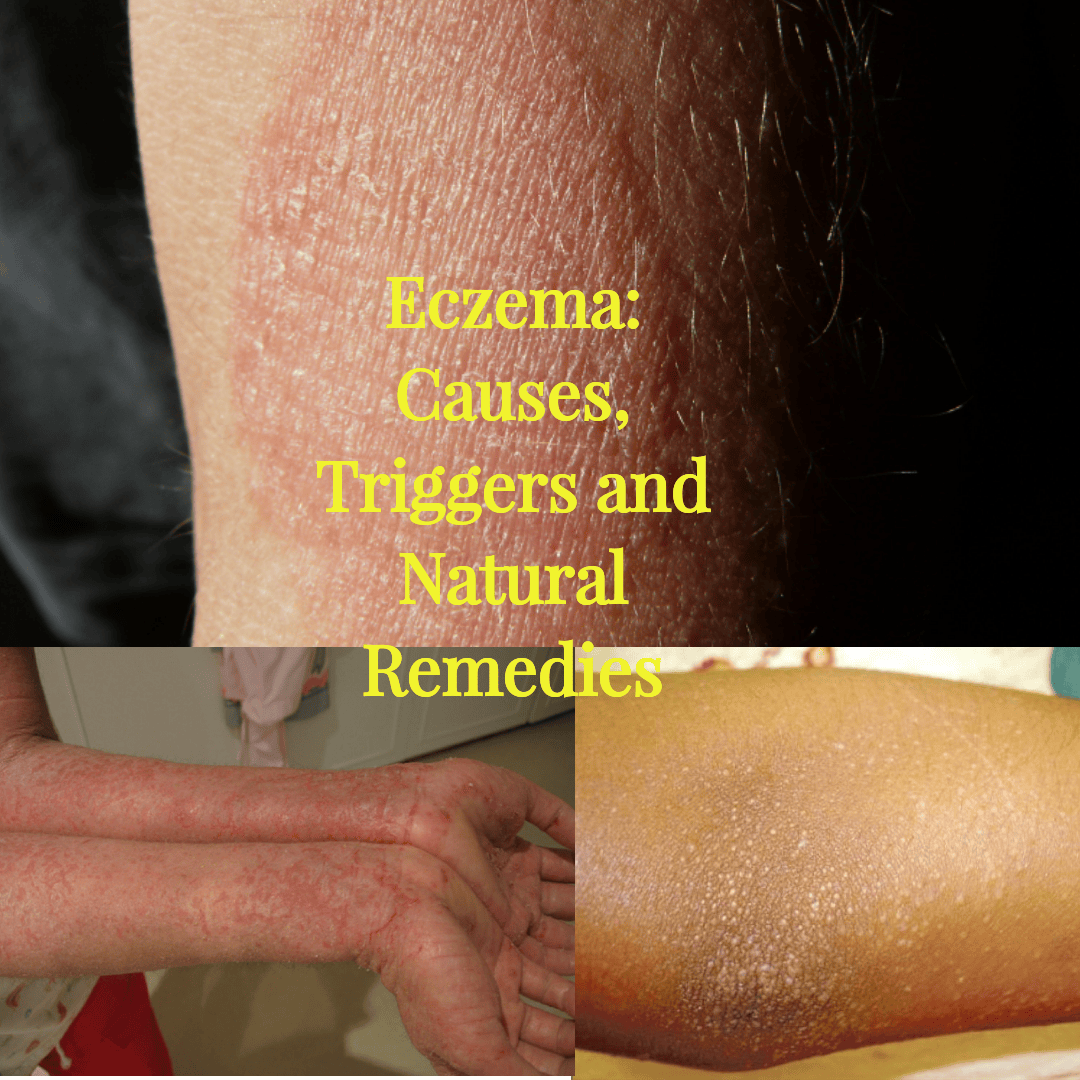
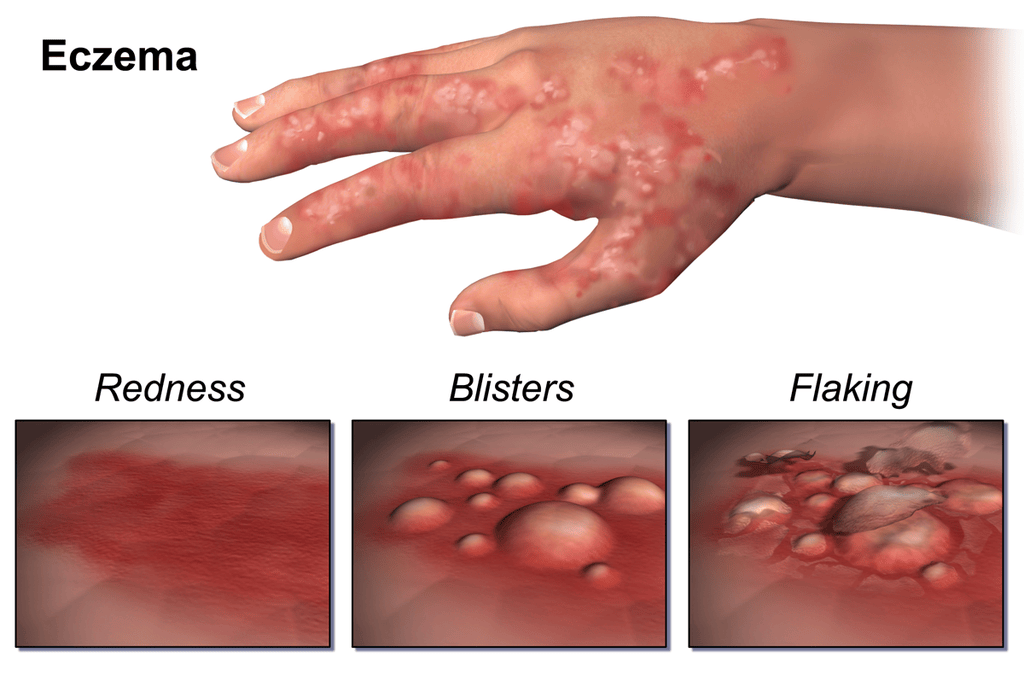
    Eczema is an inflammatory condition of the skin characterized by dry scaly skin, itchiness, weeping and oozy rashes and blisters. It occurs mostly on the face, hands, elbows, back of knees, feet and back. It occurs mostly in children and affect adults too.

    Causes/Triggers

    • Genetics: Eczema runs in the family, it is common among people with family history of eczema and asthma.
    • Dry skin: Having a dry skin predispose you to getting eczema
    • Stress: Stress can trigger a lot of conditions, eczema included.
    • Extremes of hot and cold temperature: Feeling too hot can make you sweat a lot and get heat rashes which can become eczematous. Also, feeling too cold can also dry your skin out.
    • Certain skin products: Some skin care products such as bathing soap and body creams contains ingredients too irritating to the skin such as parabens, sodium lauryl sulfate, mineral oil etc
    • Foods containing gluten: Eating food containing gluten such as bread can worsen symptoms of eczema
    • Dairy foods: Dairy products such as milk especially cow milk can trigger eczema and should be avoided
    • Wool fibers: Wearing clothes made of wool can also irritate and scratch your skin 
    • Detergents: Washing your clothes with detergents containing irritants can cause eczema
    • Environment allergens: Some people are allergic to pollen, grass etc and some to animals such as dogs. Coming in contact with allergens can also trigger eczema
    • Water: If you think you are doing everything right but can’t figure out what is causing eczema, your bathing water might be contaminated. That was the case for me when I had it.
    • Immunosuppression: Suppressed or abnormal functioning immune system can also predispose you to eczema.
    • Hormones

        Natural Remedies

        • Ginger:Grate some ginger and add some honey to make a paste, apply on the affected part and rinse off with warm water after 30 minutes.
        • Chamomile tea: Brew chamomile tea and apply on your skin to reduce inflammation.
        • Aloe vera gel: Aloe vera soothes the skin, relieves itching and also moisturizes making it an effective remedy for eczema relief. 
        • Apple cider vinegar: Dab some ACV on the affected part 3 times a day to relieve dryness, itching and rashes.
        • Baking soda: Make a paste of baking soda and water and apply on the eczema area, wash off after 30 minutes. This will ease symptoms of eczema.
        • Shea butter: Shea butter is very moisturizing and can also reduce scars caused by eczema.
        • Coconut oil: Coconut oil has antibacterial properties, it also relieves itching and moisture the skin
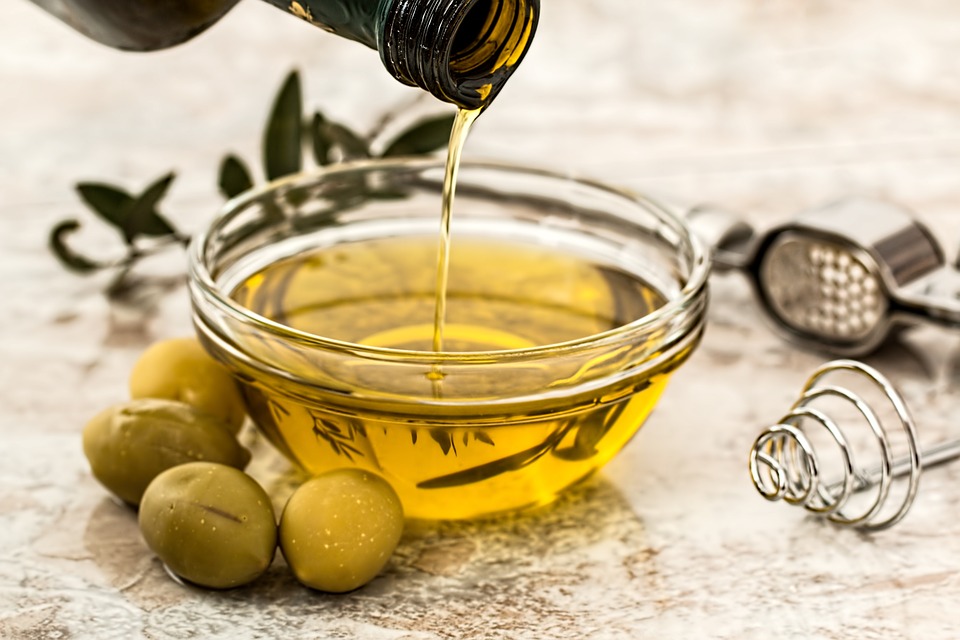
        • Olive oil: Olive oil contains omega 3 oil which helps reduce inflammation. Massage some on the affected area
        • Probiotics: Probiotics such as yoghurt and raw cheese can help the immune system fight eczema.
        • Vitamin E: You can either take vitamin E pills orally or apply the oil topically on your skin to reduce the discomfort caused by eczema.
        • Cucumber slices: Cucumber can soothes the skin, reduce swelling and redness. Place some cucumber slices on the affected area for relief.
        • Oats: Grind some oats into powder and sprinkle on your bathing water to ease the discomfort caused by eczema.
        • Honey

            Other helpful tips

            1. Avoid dairy and gluten food products.
            2. Limit bathing to once daily with warm water, using soap repeatedly will further irritate your skin and hot bath will dry your skin out.
            3. Eat omega 3 filled foods such as fish.
            4. Avoid tight fitting and rough fiber clothes. Go for clothes with smooth surface instead.
            5. Avoid scratching the affected part, doing so will lead to more rashes.
            6. Ensure you wear appropriate clothes for each season.

              Do you get eczema? What trigger it? What natural remedies do you use in managing eczema. Thanks for reading.

              Sources

              www.medicalnewstoday.com/articles/14417.php

              https://medlineplus.gov/eczema.html

              http://everydayroots.com/eczema-remedies

              http://www.naturallivingideas.com/get-rid-of-eczema/

              https://wellnessmama.com/12065/natural-eczema-remedies/

            1. Benefits of mango

              It is the season of mangoes!!! Mango is known worldwide as the king of fruits. It is a delicious and succulent fruit with lot of benefits. It is a drupe fruit, scientific name is Mangifera Indica and belongs to the family, Anacardiaceae. It originated from Indian and has spread all over the world.

              Mango is rich in vitamins, minerals, fibers and antioxidants. It has different colours and varieties.

              Health benefits of mango

              • Improves brain function: Mango contains Vitamin B6 and gluthamic acid which boost brain function and promotes sleep.
              • Immunity: High Vitamin C in mango helps boost immunity against infections.
              • Vision: Mango promotes good vision, prevents night blindness and dry eye because of its Vitamin A content.
              • Reduces cancer risk: Antioxidants such as isoquercitrin, astragalin etc in mango reduce the risk of cancer.
              • Helps with anemia: Mango is rich in iron which is necessary for production of hemoglobin that transport oxygen throughout the bloodstream.
              • Alkalizes the body: Tartaric, malic and citric acid in mangoes alkalizes the whole body.
              • Digestion: The fiber in mango helps with digestion and relieves constipation.
              • Heat stroke: When suffering from heat stroke i.e. overheating of the body, eating mango can greatly serve as a relief.wp-1492194163816.jpeg
              • Treats high blood pressure: Mango is rich in potassium which regulates blood pressure level. 
              • Pregnancy: Iron in mango helps with development of the foetus. 

              Beauty Benefits of Mango

              • Remove blackheads: Use mango peel with sugar as a scrub on your face and neck to get rid of blackheads.
              • Treatment for dandruff: Make a mango puree and add a little bit of lemon juice and apply on the affected part, wash off after 30 minutes.
              • Softens hair: Apply blended mango on your hair, cover with a shower cap for about 20 minutes and wash off to get a super soft hair.
              • Anti-aging: Apply mango peels on your face to get rid of wrinkles.
              • Exfoliation: Mash a ripe mango with oatmeal and apply all over your skin, wash off after 30 minutes to remove dead skin cells.
              • Clears the skin: Mango peel can unclog pores and treat pimples.

              How you can enjoy mango

              • Mango cubes
              • Mango juicewp-1492197178657.jpeg
              • Mango smoothie
              • Mango salsa

              wp-1492197303646.jpeg

              Thanks for reading.

            2. How to grow your hairline or edges back and causes of thining hairline.

              How to grow your hairline or edges back and causes of thining hairline.

              Receding Hairline

              Are you suffering from thinning hairline? Does your hair edges appears annoying? Do you have an hard time growing back your hairline? Read on!!!

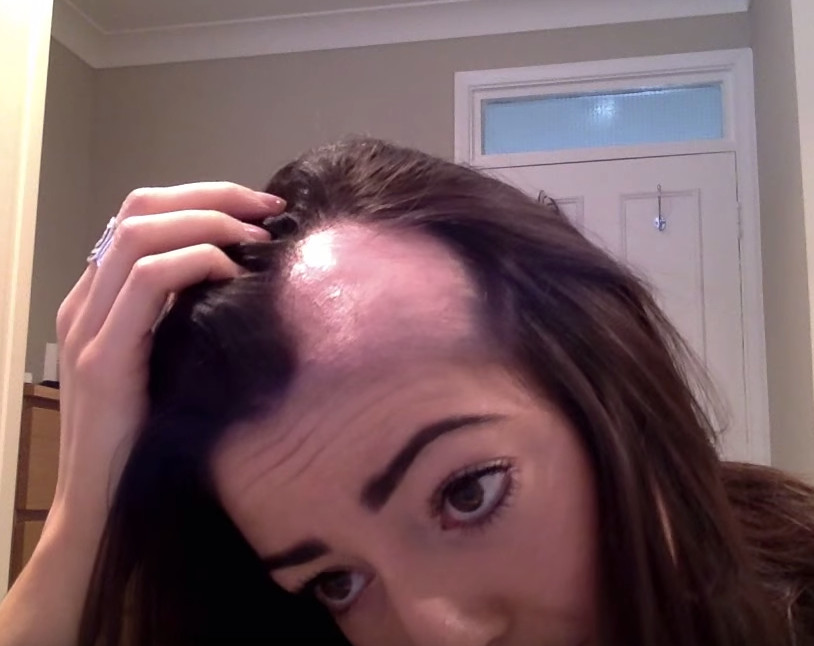
              Thinning hairline otherwise known as traction alopecia is a a type of hair loss that occurs at the edges of the hair. Thinning hairline occurs in both men and women and can greatly affect your look.

              Causes of Thinning Hairline

              • Too tight hairstyles: Installing tight hairstyles such as Ghana braids, or weave, braids ,twists, pigtails and pony tails can cost you your edges and doing these styles repeatedly too.
              • Tiny hairstyles: Tiny braids, small cornrows or weaves can also pull on your edges.

              • Chemicals: Applying chemicals on your hair can weaken it leading to breakage of the baby hair. Also, applying relaxers on your edges for a prolonged time can burn it leading to hairline loss.
              • Using brushes and gel on your edges: Applying drying alcohol gels on your edges and brushing down to achieve a slick look are also the usual culprits.
              • Heat: Using heat all the time on your hair can also break your hairline.

              •  Headgears: Knotting your scarf and head gear too tight for a prolonged time and using headgears made of  cotton or wool can also thin out your hairline. You can opt for a silk or satin headgears instead.
              • Hairbands: Using rubber bands, hairbands adorned with beads or steel can break your edges.

              • Certain health condition: Some postpartum women also experience hair loss and also those with thyroid problems.
              • Night caps with cotton edges: Wearing night caps with cotton edges can also lead to a receding hairline overtime.
              • Wigs, sew in weaves and glues: Wearing wigs and sew in weaves especially those with bangs too often can break your edge and also using glues to secure your wig and sew ins.

              • Over touching: Touching your edges too much can also break it.
              • Scalp infection: Infection such as dandruff can be responsible for hair loss.
              • Bad diet: Not eating healthy can also play a major role in hair loss.
              Thick hair edges

              Growing your edges back

              • Eat healthy: When you take in an healthy meal and avoid junk food, this will help all your systems to function better and keep your hair loss at bay.
              • Avoid tight and tiny hairstyles: Give your hairline a break from tight and tiny hairstyles that snap hair off and watch your edges grow back. Also don’t keep an hairstyle for too long.
              • Stay away from chemicals and heat: You should try to stay away from chemicals and heat until you get your edges back and when you finally do, use heat and chemicals sparingly.
              • Massaging: This increase blood flow around the edges promoting hair growth.
              • Vitamin E: It helps repair damaged follicles and also increase blood circulation to the scalp thereby promoting hair growth.

              • Castor oil: Castor oil is effective in promoting hair growth and fighting infection. Just pour a little amount on your palms and apply evenly on your edges everyday and watch your hairline grow back in about 2 months
              • Coconut oil: This also also promotes hair growth and penetrate deeply into the hair follicles. Apply on your edges daily for awesome result.
              • Aloe vera gel: This gives a soothing relief to the scalp, combat scalp infection and improve hair growth
              • Oil mix: Making a mix of coconut oil, castor oil, olive oil, vitamin E, essential oil such as rosemary and peppermint oil and applying on your scalp everyday will boost hair growth.

              • Onion Juice: Onion can improve hair growth and also restore thin edges. Blend an onion, massage the juice on your hairline and wash off after 30 minutes. Doing this biweekly for about 3 months will grow your edges.
              • Ginger juice: Ginger also aids hair growth. Apply ginger juice on your edges, leave for about 30 minutes and rinse off.

              Got any more tips on growing edges back? Have any natural tips you would like to know about? Drop your questions and comments in the comment box. Thanks for reading.