Category: Hair care

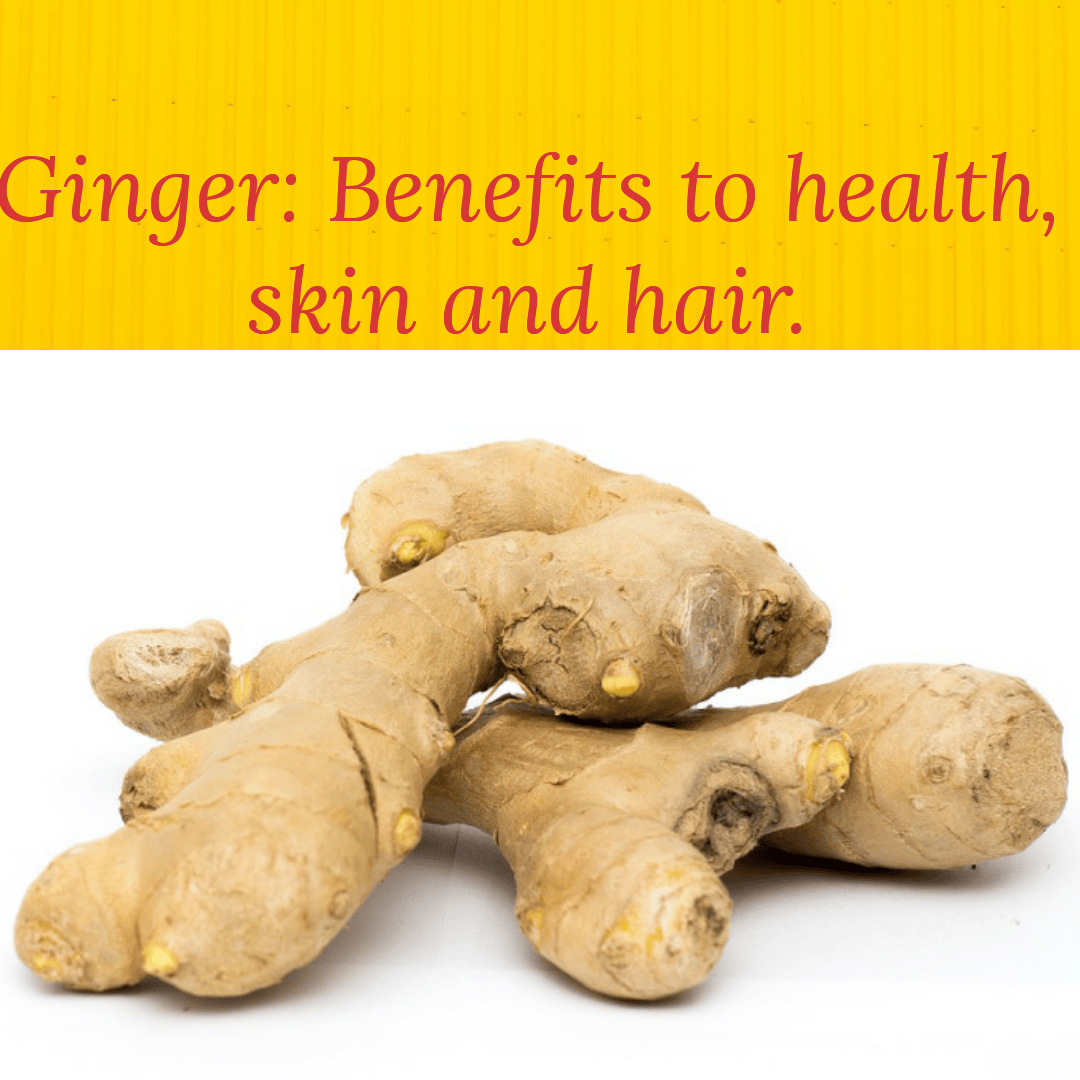
  • Ginger: Benefits to health, skin and hair.

    Ginger is an amazing spice and natural medicine. It belongs to the family Zingiberaceae and scientific name is Zingiber officinale. It is a source of carbohydrates, dietary fiber, protein, sugars, sodium, vitamin B, calcium, iron, vitamin C, potassium, magnesium, phosphorous, zinc, folate, riboflavin and niacin. It also contains phenolic compounds such as gingerol and  shogaol which are its active constituents.

    Health benefits of ginger

    • Antimicrobial: Gingerols and shogaols are active ingredients in ginger that fight viruses, bacteria and fungi. This makes it effective in treatment of periodontal and respiratory infections and also candida albicans.
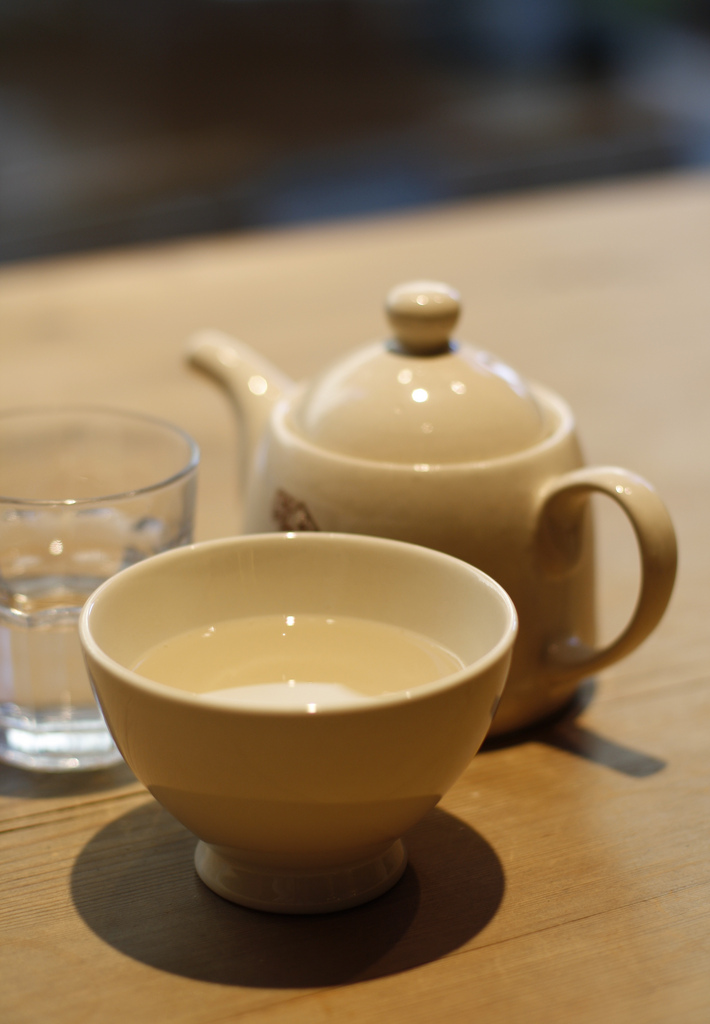
    • Calms menstrual cramps: Ginger tea helps relieve menstrual cramps and is an alternative to pain relief medications e.g nonsteroidal antiinflammatory drugs which can cause adverse effects such as gastrointestinal bleeding.
    • Antiinflammatory: Gingerol found in ginger has antiinflammatory actions, this makes ginger a common remedy for joint pain such as osteoarthritis.
    • Cures cold and flu: Ginger when mixed with honey and lemon relieves symptoms of cold and flu
    • Antiemetic: When feeling nauseous or vomiting, munch on ginger or drink the tea to stop nausea, vomiting or morning sickness.
    • Relieves cough: It helps clear the throat and get rid of phlegm causing cough.
    • Dyspepsia: Also known as indigestion and characterized by feeling full, belching, flatulence, heartburn, upper or mid abdominal pain, bloating can be relieved with ginger.
    • Anti-cancer: 6-gingerol and 6-shogaol in ginger also fight cancerous cells.
    • Anti diabetic: Research findings has shown that ginger helps regulate blood sugar level.
    • Promotes blood circulation: Minerals such as zinc, magnesium and chromium in ginger promote blood circulation and prevent blood clots.
    • Antioxidants: Antioxidants in ginger have the ability to fight free radicals thereby reducing risk of diseases.
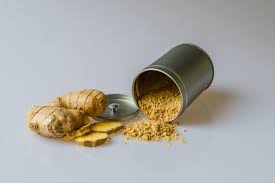
    Benefits of ginger for hair and skin

    • Anti-aging: Antioxidants present in ginger fight wrinkles.
    • Soothes burns and blisters: Applying a paste of ginger on affected part can relieve burns and blisters pain.
    • Hair growth: Because of its ability to increase blood circulation, ginger when applied to the scalp promotes circulation resulting in hair growth
    • Skin toning: Ginger when used as a facial mask or scrub can remove dark spots, acne and blemishes thereby giving your skin an even tone.
    • Radiant skin: Make a paste of ginger and honey, spread all over your face  and wash off after 30 minutes to reveal a glowing skin. The paste can be a little bit peppery though.
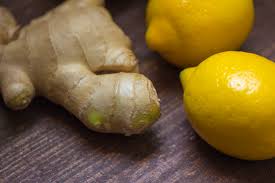
    • Anti dandruff: Because of its antimicrobial effect, ginger can get rid of dandruff
    • Shiny hair: Add ginger to your deep conditioning mix for shiny hair
    • Sunscreen: It can also protect the skin from ultraviolet rays.

    How you can enjoy ginger

    1. Add it as a spice to your cooking to give a distinctive taste and aroma.
    2. Drink ginger juice or add ginger to your fruit juice recipe.
    3. Enjoy ginger tea with lemon and honey.

      Caution

      • Do not use ginger if you are on anticoagulant (blood thinning) medications such as warfarin.
      • Consult your physician if you are on medications before using ginger to prevent interaction. E.g. antidiabetic and antihypertensives
      • Lastly, use in small doses.

      Sources

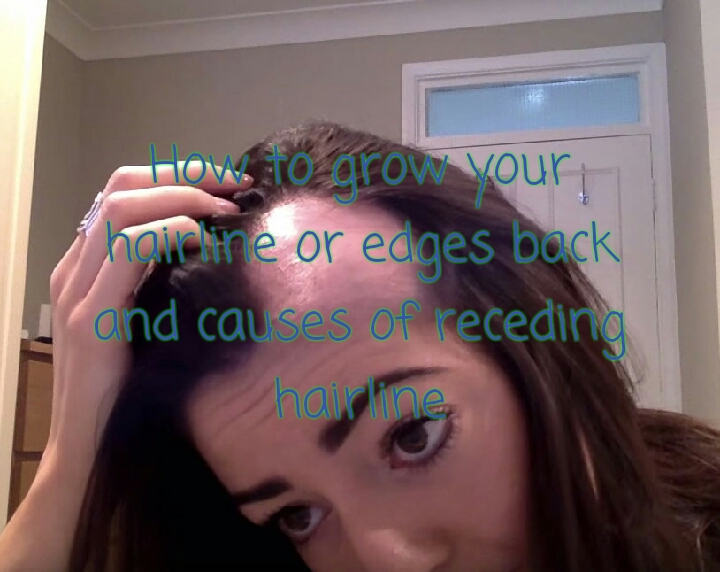
    1. How to grow your hairline or edges back and causes of thining hairline.

      How to grow your hairline or edges back and causes of thining hairline.

      Receding Hairline

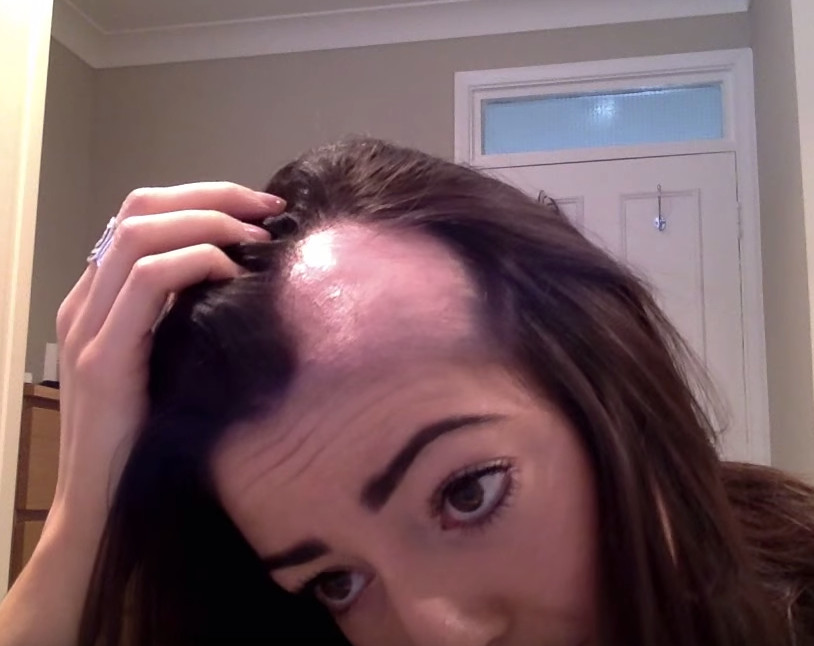
      Are you suffering from thinning hairline? Does your hair edges appears annoying? Do you have an hard time growing back your hairline? Read on!!!

      Thinning hairline otherwise known as traction alopecia is a a type of hair loss that occurs at the edges of the hair. Thinning hairline occurs in both men and women and can greatly affect your look.

      Causes of Thinning Hairline

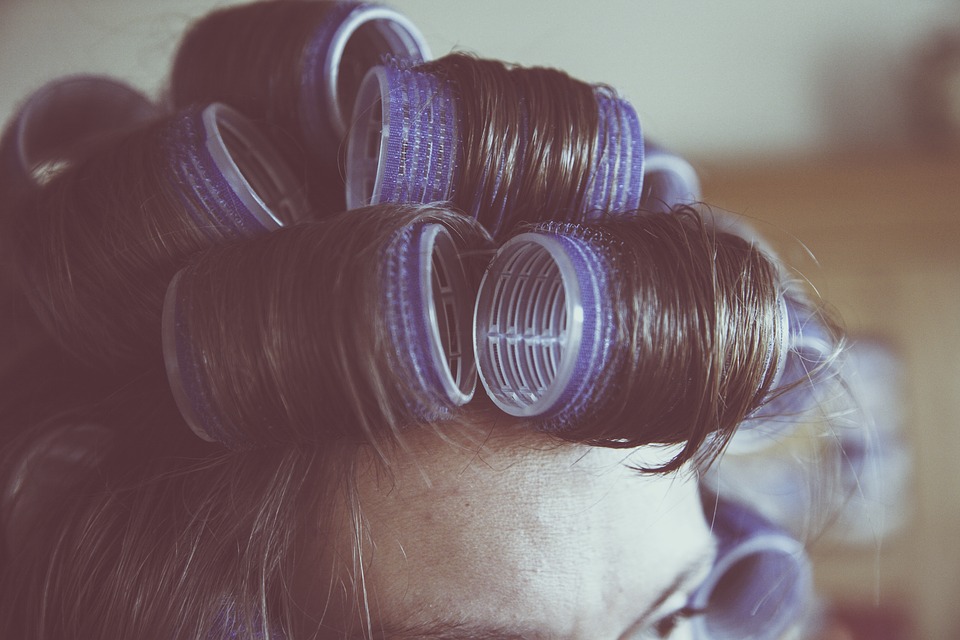
      • Too tight hairstyles: Installing tight hairstyles such as Ghana braids, or weave, braids ,twists, pigtails and pony tails can cost you your edges and doing these styles repeatedly too.
      • Tiny hairstyles: Tiny braids, small cornrows or weaves can also pull on your edges.

      • Chemicals: Applying chemicals on your hair can weaken it leading to breakage of the baby hair. Also, applying relaxers on your edges for a prolonged time can burn it leading to hairline loss.
      • Using brushes and gel on your edges: Applying drying alcohol gels on your edges and brushing down to achieve a slick look are also the usual culprits.
      • Heat: Using heat all the time on your hair can also break your hairline.

      •  Headgears: Knotting your scarf and head gear too tight for a prolonged time and using headgears made of  cotton or wool can also thin out your hairline. You can opt for a silk or satin headgears instead.
      • Hairbands: Using rubber bands, hairbands adorned with beads or steel can break your edges.

      • Certain health condition: Some postpartum women also experience hair loss and also those with thyroid problems.
      • Night caps with cotton edges: Wearing night caps with cotton edges can also lead to a receding hairline overtime.
      • Wigs, sew in weaves and glues: Wearing wigs and sew in weaves especially those with bangs too often can break your edge and also using glues to secure your wig and sew ins.

      • Over touching: Touching your edges too much can also break it.
      • Scalp infection: Infection such as dandruff can be responsible for hair loss.
      • Bad diet: Not eating healthy can also play a major role in hair loss.
      Thick hair edges

      Growing your edges back

      • Eat healthy: When you take in an healthy meal and avoid junk food, this will help all your systems to function better and keep your hair loss at bay.
      • Avoid tight and tiny hairstyles: Give your hairline a break from tight and tiny hairstyles that snap hair off and watch your edges grow back. Also don’t keep an hairstyle for too long.
      • Stay away from chemicals and heat: You should try to stay away from chemicals and heat until you get your edges back and when you finally do, use heat and chemicals sparingly.
      • Massaging: This increase blood flow around the edges promoting hair growth.
      • Vitamin E: It helps repair damaged follicles and also increase blood circulation to the scalp thereby promoting hair growth.

      • Castor oil: Castor oil is effective in promoting hair growth and fighting infection. Just pour a little amount on your palms and apply evenly on your edges everyday and watch your hairline grow back in about 2 months
      • Coconut oil: This also also promotes hair growth and penetrate deeply into the hair follicles. Apply on your edges daily for awesome result.
      • Aloe vera gel: This gives a soothing relief to the scalp, combat scalp infection and improve hair growth
      • Oil mix: Making a mix of coconut oil, castor oil, olive oil, vitamin E, essential oil such as rosemary and peppermint oil and applying on your scalp everyday will boost hair growth.

      • Onion Juice: Onion can improve hair growth and also restore thin edges. Blend an onion, massage the juice on your hairline and wash off after 30 minutes. Doing this biweekly for about 3 months will grow your edges.
      • Ginger juice: Ginger also aids hair growth. Apply ginger juice on your edges, leave for about 30 minutes and rinse off.

      Got any more tips on growing edges back? Have any natural tips you would like to know about? Drop your questions and comments in the comment box. Thanks for reading.