Blog

  • Dandruff: Causes and Home Remedies

    Dandruff is a scalp condition characterized by white dead skin flakes and itching. You can notice the flakes on your shoulders and your clothes. It is not contagious but can be embarrassing.

    Causes of Dandruff

    • Malassezia: Malassezia is a fungus that is found in the scalp. Overgrowth of this fungus causes dandruff
    • Dry skin: Dandruff is more common in people with dry skin.
    • Oily scalp: When the scalp is too oily, malassezia feeds on it making the scalp irritated and produce more dead skin cells.
    • Shampooing: Shampooing either too or less often can cause dandruff.
    • Unhealthy diet:
    • Stress
    • Sensitivity to hair products

    Natural Remedies

    • Lemon: Lemon because of its acidity can help balance the pH level of the scalp thereby reducing dandruff. Squeeze a lemon and apply the juice on your scalp, wash off after 30 minutes.
    • Aloe vera: Aloe vera because of its antimicrobial properties can fight fungus causing dandruff. It also has soothing effect which can relieve scalp itchiness.
    • Prepooing: This is the process of applying oils e.g coconut oil, castor oil, olive oil on your scalp before shampooing your hair. This process will help alleviate dryness which is also a cause of dandruff. Some oils also have antifungal benefits
    • Salicylic acid (Aspirin): Crush aspirin tablet, mix with a little bit of water to form a paste and apply to the affected part.
    • Baking soda: You can ditch your shampoo and use baking soda to wash your hair instead. It also fight dandruff.
    • Apple cider vinegar (ACV): Instead of rimsng your hair with water after shampooing, you can use two cups of ACV mixed with 2 cups of water.
    • Ginger and honey: Both ginger and honey have antifungal benefits. Blend ginger and mix with honey, apply on your scalp and rinse off after about 30 minutes for effective result.
    • Coconut oil and castor oil: Warm a mixture of a spoon of castor oil and a spoon of coconut oil and apply on your scalp, cover your hair with a shower cap and rinse off the oil after 30 minutes.

    Other scalp conditions similar to dandruff

    If you have tried all remedies for dandruff and nothing seems to work, it might be because of these conditions.

    • Dry scalp: This occurs when you shampoo your hair too often shampoos containing sodium laryl sulfate or use any other products too drying for your hair. Also, heat and chemicals can also dry your scalp out.
    • Product buildup: This is pretty similar to dandruff, but it is usually as a result of using heavy hair products or applying products without washing the hair for a long time.
    • Psoriasis

      Do you know of any other home or natural remedies for dandruff? Please drop your comments in the comment box. Thanks for reading.

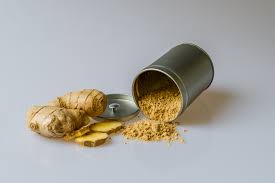
    • Ginger: Benefits to health, skin and hair.

      Ginger is an amazing spice and natural medicine. It belongs to the family Zingiberaceae and scientific name is Zingiber officinale. It is a source of carbohydrates, dietary fiber, protein, sugars, sodium, vitamin B, calcium, iron, vitamin C, potassium, magnesium, phosphorous, zinc, folate, riboflavin and niacin. It also contains phenolic compounds such as gingerol and  shogaol which are its active constituents.

      Health benefits of ginger

      • Antimicrobial: Gingerols and shogaols are active ingredients in ginger that fight viruses, bacteria and fungi. This makes it effective in treatment of periodontal and respiratory infections and also candida albicans.
      • Calms menstrual cramps: Ginger tea helps relieve menstrual cramps and is an alternative to pain relief medications e.g nonsteroidal antiinflammatory drugs which can cause adverse effects such as gastrointestinal bleeding.

      • Antiinflammatory: Gingerol found in ginger has antiinflammatory actions, this makes ginger a common remedy for joint pain such as osteoarthritis.
      • Cures cold and flu: Ginger when mixed with honey and lemon relieves symptoms of cold and flu
      • Antiemetic: When feeling nauseous or vomiting, munch on ginger or drink the tea to stop nausea, vomiting or morning sickness.

      • Relieves cough: It helps clear the throat and get rid of phlegm causing cough.
      • Dyspepsia: Also known as indigestion and characterized by feeling full, belching, flatulence, heartburn, upper or mid abdominal pain, bloating can be relieved with ginger.
      • Anti-cancer: 6-gingerol and 6-shogaol in ginger also fight cancerous cells.
      • Anti diabetic: Research findings has shown that ginger helps regulate blood sugar level.
      • Promotes blood circulation: Minerals such as zinc, magnesium and chromium in ginger promote blood circulation and prevent blood clots.
      • Antioxidants: Antioxidants in ginger have the ability to fight free radicals thereby reducing risk of diseases.

      Benefits of ginger for hair and skin

      • Anti-aging: Antioxidants present in ginger fight wrinkles.
      • Soothes burns and blisters: Applying a paste of ginger on affected part can relieve burns and blisters pain.
      • Hair growth: Because of its ability to increase blood circulation, ginger when applied to the scalp promotes circulation resulting in hair growth
      • Skin toning: Ginger when used as a facial mask or scrub can remove dark spots, acne and blemishes thereby giving your skin an even tone.
      • Radiant skin: Make a paste of ginger and honey, spread all over your face  and wash off after 30 minutes to reveal a glowing skin. The paste can be a little bit peppery though.

      • Anti dandruff: Because of its antimicrobial effect, ginger can get rid of dandruff
      • Shiny hair: Add ginger to your deep conditioning mix for shiny hair
      • Sunscreen: It can also protect the skin from ultraviolet rays.

      How you can enjoy ginger

      1. Add it as a spice to your cooking to give a distinctive taste and aroma.
      2. Drink ginger juice or add ginger to your fruit juice recipe.
      3. Enjoy ginger tea with lemon and honey.

        Caution

        • Do not use ginger if you are on anticoagulant (blood thinning) medications such as warfarin.
        • Consult your physician if you are on medications before using ginger to prevent interaction. E.g. antidiabetic and antihypertensives
        • Lastly, use in small doses.

        Sources

      1. 17 causes of hair breakage and how to fix it.

        Hair breakage can be so heartbreaking and dreading especially to women because the hair is a woman’s glory and an important part of our lives. There are so many causes of hair breakage, some of which look unharmful or innocent.The reasons range from carelessness, over processing, hairstyles etc. Below are the causes of hair breakage with solutions

        • Dehydration: Not drinking enough water on a daily basis can break your hair off. Your hair needs enough hydration to grow.
        • Unhealthy eating habits: When you depend on junk foods most of the time and neglect healthy food necessary for stimulating hair growth and strength, your hair will definitely suffer the consequence. Eat more healthy and nutritious food to grow your hair back.

        • Split ends: This is the splitting of hair ends as a result of heat, mechanical and chemical damage. It makes the ends of the hair unequal and ragged. Trimming the split ends is the best remedy for this. You may feel reluctant about trimming your ends but if you don’t the split will keep travelling down the strand and cause more damage.

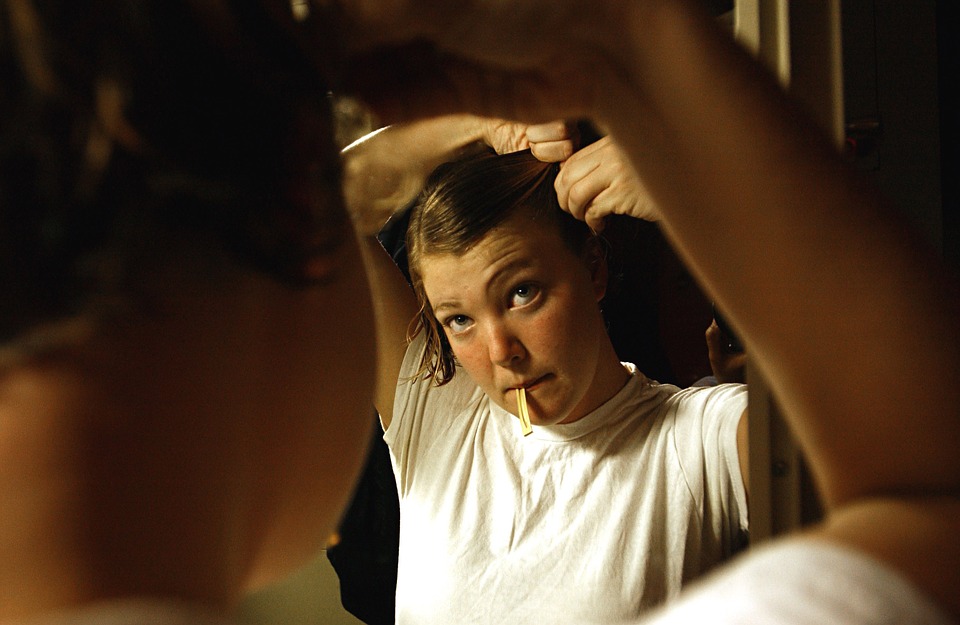
        • Combing hair when wet: Hair is weakest when wet, it tends to break off when you run a comb through it in this state. Always comb your hair when is slightly damp.
        • Chemical processing: Applying relaxers and dye too often on your hair can drastically break it. Some people opt for relaxing every month which shouldn’t be, retouching or perming hair weakens hair especially when done frequently. Avoid using chemicals or use sparingly to stop hair breakage.

        • Towel drying: Using a towel each time you dry your hair and rubbing it rigorously can snap your hair off. An alternative is to wrap your hair  with an old T-shirt and squeeze excess water out gently and allow to air dry.
        • Heat: If you are fond of flat ironing or blow drying everyday, you might be on your journey to going bald. Heat is too drying and damaging for hair. Limit heat usage to once or twice a month.

        • Lack of moisture: Hair needs moisture especially African hair which is very dry, making it more susceptible to breakage. To moisturize your hair effectively, use the LOC (liquid, oil and cream) method. Starts by applying a water based leave in conditioner on your hair, follow it up with oil and seal with cream or butter e.g shea butter. Also deep condition your hair once weekly to retain moisture
        • Over manipulation: Touching your hair too much can also make it easier for it to break off, so keep your hands off your hair.
        • Exposure to ultraviolet rays and chlorinated water: Exposing your hair too often to harmful sun rays can break it too, applying avocado oil on your hair can prevent this. Whenever your hair comes in contact with chlorine maybe from a swimming pool, make sure to wash it thoroughly to avoid breakage.
        • Hair products: Some hair products contain ingredients too harmful or drying for hair such as petrolatum, isopropyl alcohol, mineral oil, sodium lauryl sulfate etc. Go for natural ingredients such as Shea butter, coconut oil, castor oil.

        • Prolonged and tight hairstyles: Keeping an hairstyle in for too long i.e more than 2 months can be the reason your hair is falling out. Tight hairstyles can also snap and snag your hair off. Therefore, don’t keep your hair in for too long and stay away from tight hairstyles.
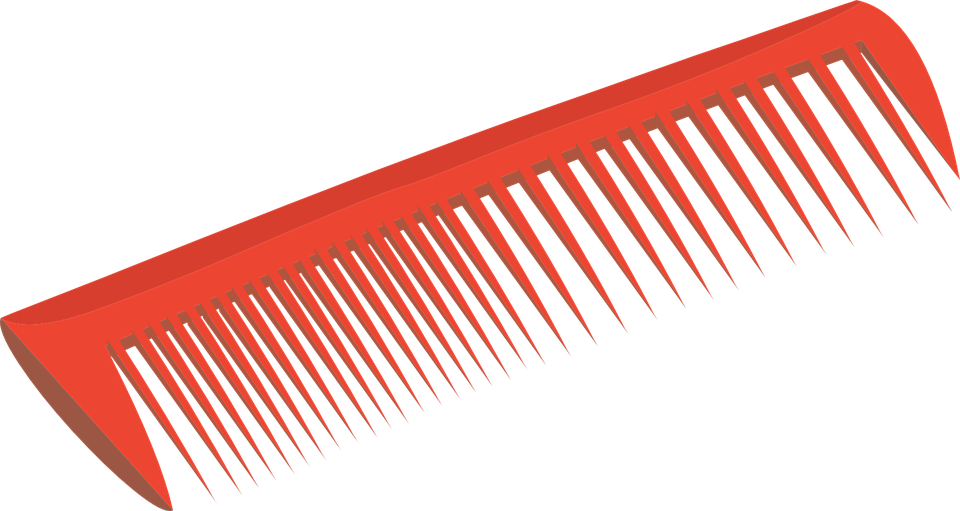
        • Combing: There is a saying that combing the hair often can make your hair longer. That’s definitely not true, combing hair often can be the cause of your hair loss. When you pack all the strands that comes off each time you comb for about a week, you will definitely see how far your hair has broken. Comb your hair less often, use a wide tooth comb instead of a fine tooth and comb from ends to root to minimize breakage.
        A comb with fine and wide tooth ends
        • Leaving the hair out too often: When hair is out most of the time, it can be easily manipulated making it easy for breakage to occur. Protective hairstyles is the way out, wear your hair in styles that keep your ends tucked in
        • Washing hair frequently: Washing hair everyday can strip off the natural oil in your hair and this results in breakage. Reduce washing to once a week to minimize breakage.

        • Hairbands: Rubberbands and metal hairbands rip of the hair on every usage. Make use of satin or silk hairbands and metal free hairbands instead.
        • Cotton pillowcase: This sounds unharmful but cotton pillowcase can strip off the moisture in your hair leading to breakage. Use a satin pillowcase, wear a satin or silk scarf or a satin bonnet to sleep instead.

        Other solutions include

        1. Hot oil treatment:
        2. Protein treatment
        3. Deep conditioning
        4. Castor oil application
        5. Washing hair in sections for natural hair to prevent tangles and breakage.

        Thanks a lot for reading. I will appreciate all comments, likes and shares.

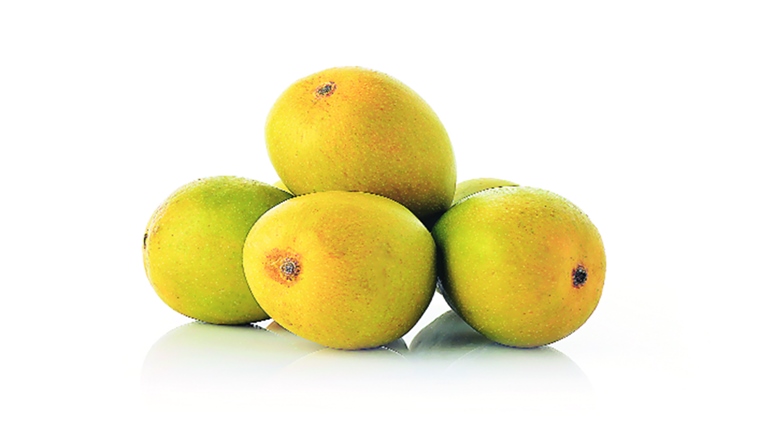
      2. Benefits of mango

        It is the season of mangoes!!! Mango is known worldwide as the king of fruits. It is a delicious and succulent fruit with lot of benefits. It is a drupe fruit, scientific name is Mangifera Indica and belongs to the family, Anacardiaceae. It originated from Indian and has spread all over the world.

        Mango is rich in vitamins, minerals, fibers and antioxidants. It has different colours and varieties.

        Health benefits of mango

        • Improves brain function: Mango contains Vitamin B6 and gluthamic acid which boost brain function and promotes sleep.
        • Immunity: High Vitamin C in mango helps boost immunity against infections.
        • Vision: Mango promotes good vision, prevents night blindness and dry eye because of its Vitamin A content.
        • Reduces cancer risk: Antioxidants such as isoquercitrin, astragalin etc in mango reduce the risk of cancer.
        • Helps with anemia: Mango is rich in iron which is necessary for production of hemoglobin that transport oxygen throughout the bloodstream.
        • Alkalizes the body: Tartaric, malic and citric acid in mangoes alkalizes the whole body.
        • Digestion: The fiber in mango helps with digestion and relieves constipation.
        • Heat stroke: When suffering from heat stroke i.e. overheating of the body, eating mango can greatly serve as a relief.wp-1492194163816.jpeg
        • Treats high blood pressure: Mango is rich in potassium which regulates blood pressure level. 
        • Pregnancy: Iron in mango helps with development of the foetus. 

        Beauty Benefits of Mango

        • Remove blackheads: Use mango peel with sugar as a scrub on your face and neck to get rid of blackheads.
        • Treatment for dandruff: Make a mango puree and add a little bit of lemon juice and apply on the affected part, wash off after 30 minutes.
        • Softens hair: Apply blended mango on your hair, cover with a shower cap for about 20 minutes and wash off to get a super soft hair.
        • Anti-aging: Apply mango peels on your face to get rid of wrinkles.
        • Exfoliation: Mash a ripe mango with oatmeal and apply all over your skin, wash off after 30 minutes to remove dead skin cells.
        • Clears the skin: Mango peel can unclog pores and treat pimples.

        How you can enjoy mango

        • Mango cubes
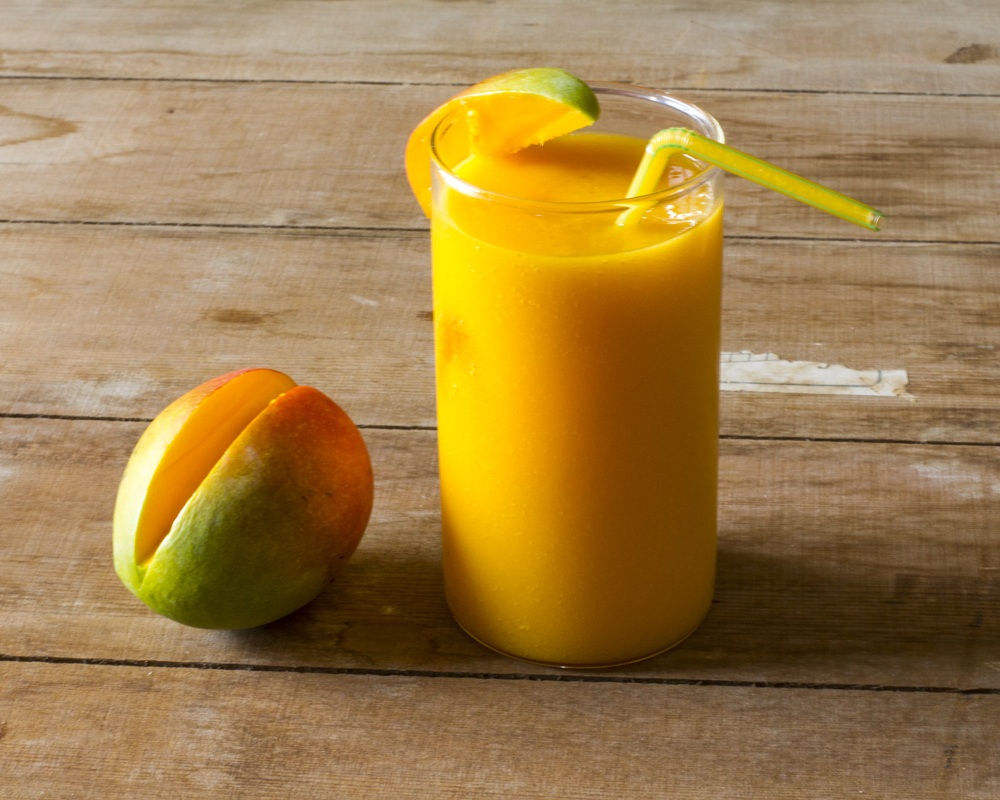
        • Mango juicewp-1492197178657.jpeg
        • Mango smoothie
        • Mango salsa

        wp-1492197303646.jpeg

        Thanks for reading.