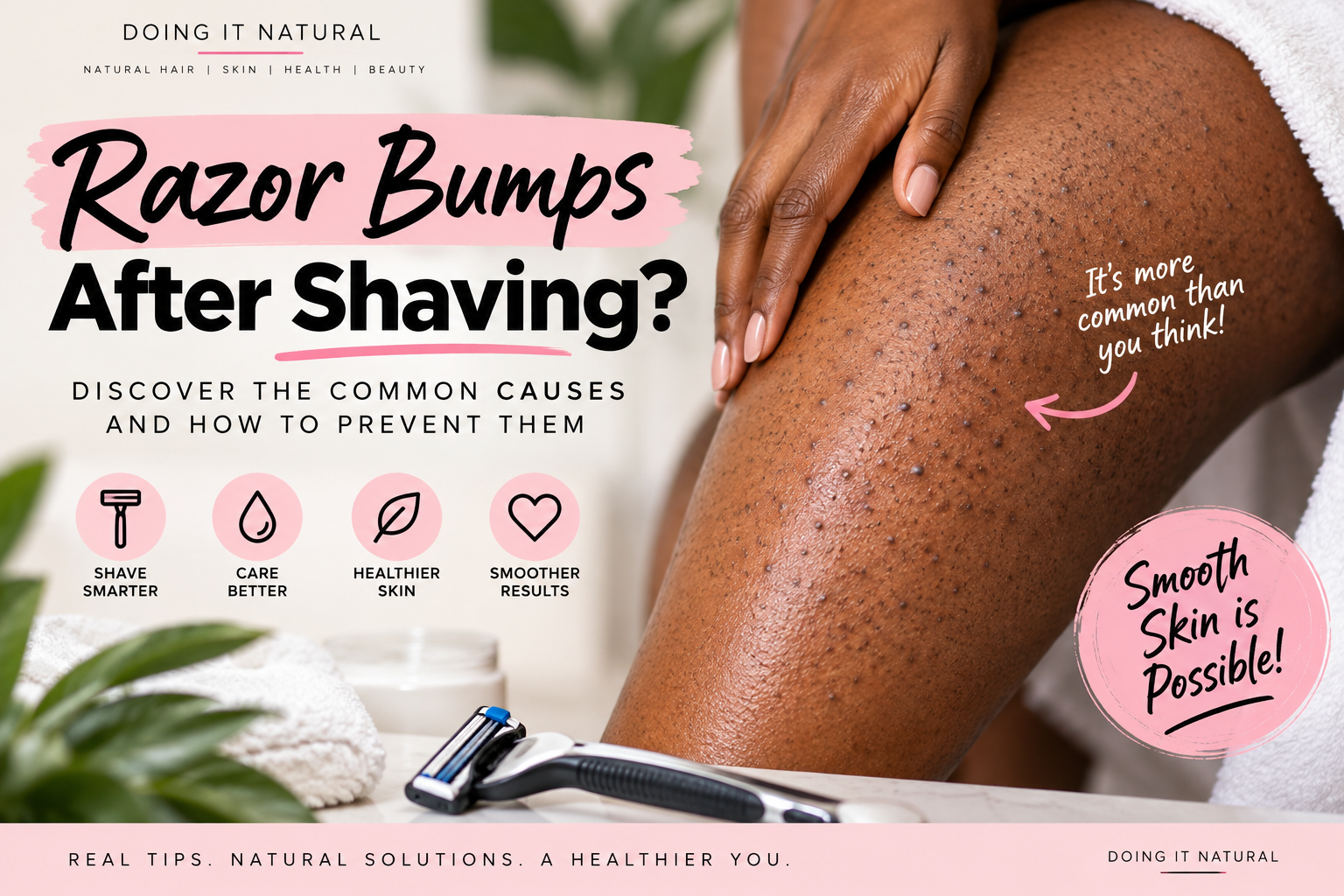
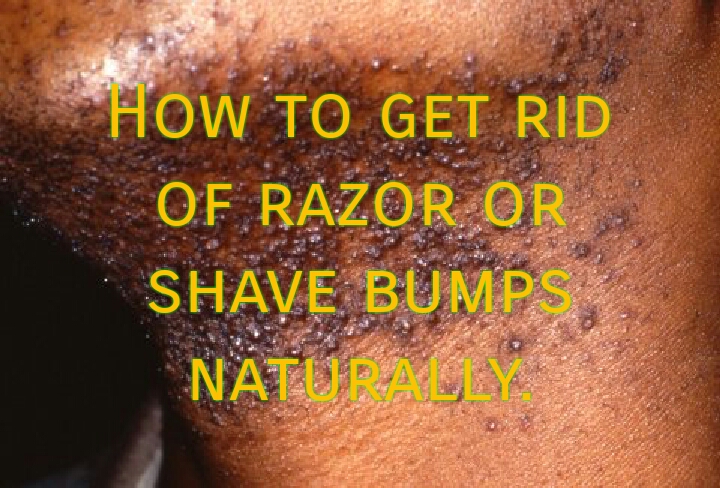
You want smooth, hairless skin after shaving, but you get bumps instead? You are not alone.
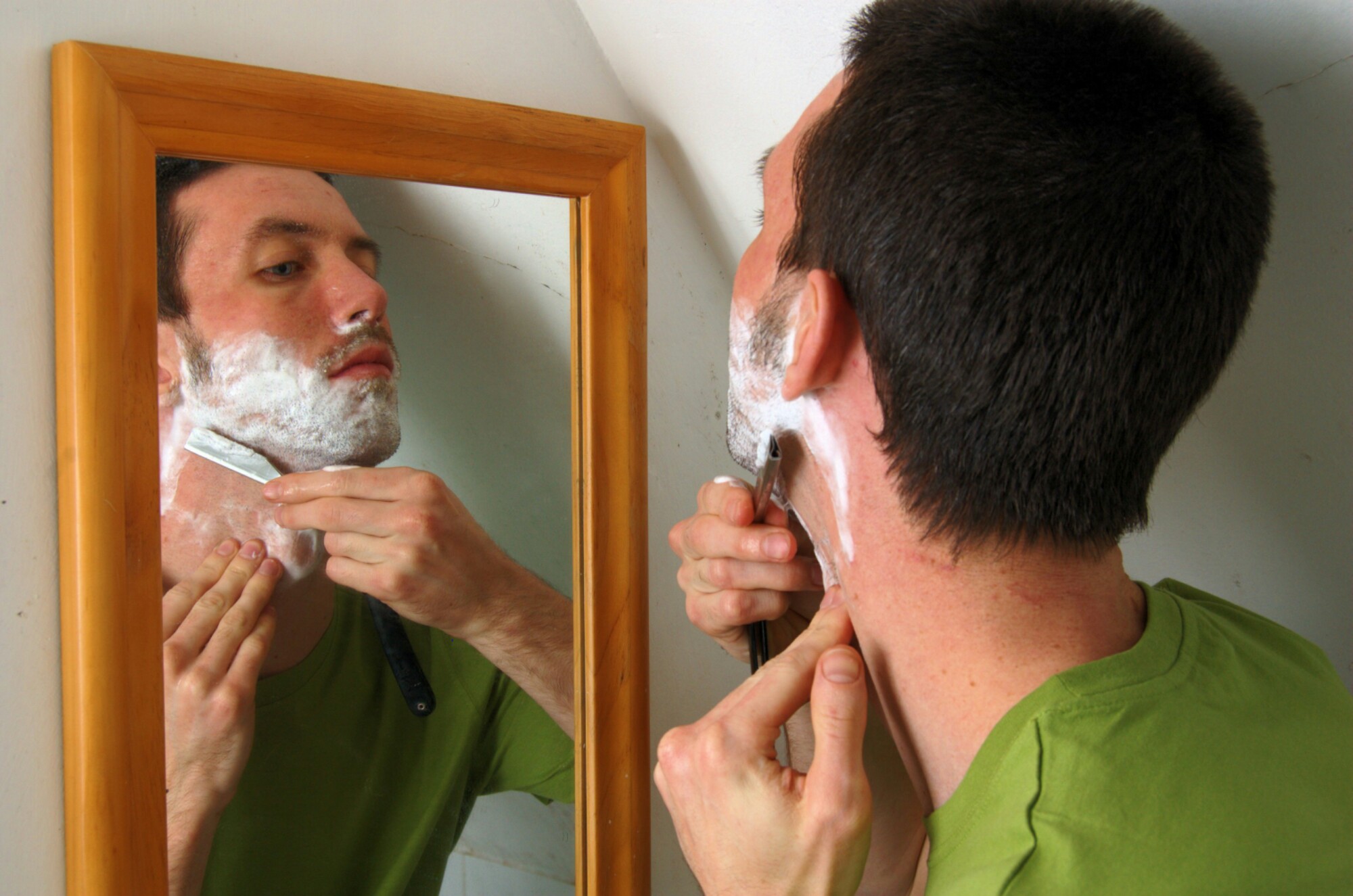
Razor bumps, also known as pseudofolliculitis barbae, occur when shaved hair curls back into the skin and causes irritation. They can occur around the bikini line, armpits, face, legs, etc.
Razor bumps may cause itching, irritation, pain, swelling, burning sensations, redness and sometimes bleeding. Although they may subside on their own with time, there are some remedies and skincare tips that may help relieve the symptoms
Causes of Razor Bumps

1. Shaving Against the Direction of Hair Growth
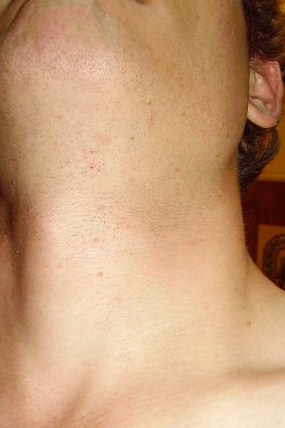
Shaving against the direction of hair growth can increase the risk of razor bumps. When the hair is cut very close to the skin, it may curl back and grow into the skin, causing bumps.
Try shaving in the direction of hair growth, especially if you have sensitive skin or frequently experience razor bumps.
-
2. Shaving Too Often
Razor bumps can occur when you shave too often because repeated shaving may irritate the skin.
Allow your hair and skin to recover a little before shaving again.
3. Using a Blunt Razor
While shaving, you should use a clean, sharp razor. Using a blunt razor may require you to shave over the same area repeatedly, leading to irritation and bump formation.
Also, a used razor can harbour microorganisms, so make sure you clean and replace your razor regularly.
-
4. Dry Hair
Shaving dry hair can easily irritate your skin and increase friction.
Applying water and a moisturising shaving cream or gel before shaving will help the razor glide more easily over the skin.
5. Not Moisturising
You need to moisturise your skin after shaving. Not doing so may leave your skin dry and irritated.
Use a gentle moisturiser that is suitable for your skin type, preferably one without added fragrance if your skin is sensitive.
6. Having Curly Hair
Razor bumps are more common among people with coarse or tightly curled hair because the hair may curl back into the skin as it grows.
However, razor bumps can affect anyone, regardless of their hair type or ethnicity
Natural Remedies for Razor or Shave Bumps

1. Apple Cider Vinegar (ACV)
Some people use apple cider vinegar as a home remedy for razor bumps.
If you choose to try it, dilute it well with water and use caution, as vinegar is acidic and may irritate freshly shaved or sensitive skin.
Test a small amount on a limited area first. Avoid applying it to broken or severely irritated skin, and stop using it if you experience burning or stinging

-
2. Cold Compress
Applying a cold compress to razor bumps can help soothe irritation and reduce discomfort.
Use a clean, cool, damp cloth and apply it gently to the affected area.
3. Coconut Oil
Coconut oil may help moisturise dry skin and relieve some discomfort. However, it may not be suitable for everyone and can irritate or clog pores in some people.
If you choose to use it, apply a small amount and stop if irritation occurs.
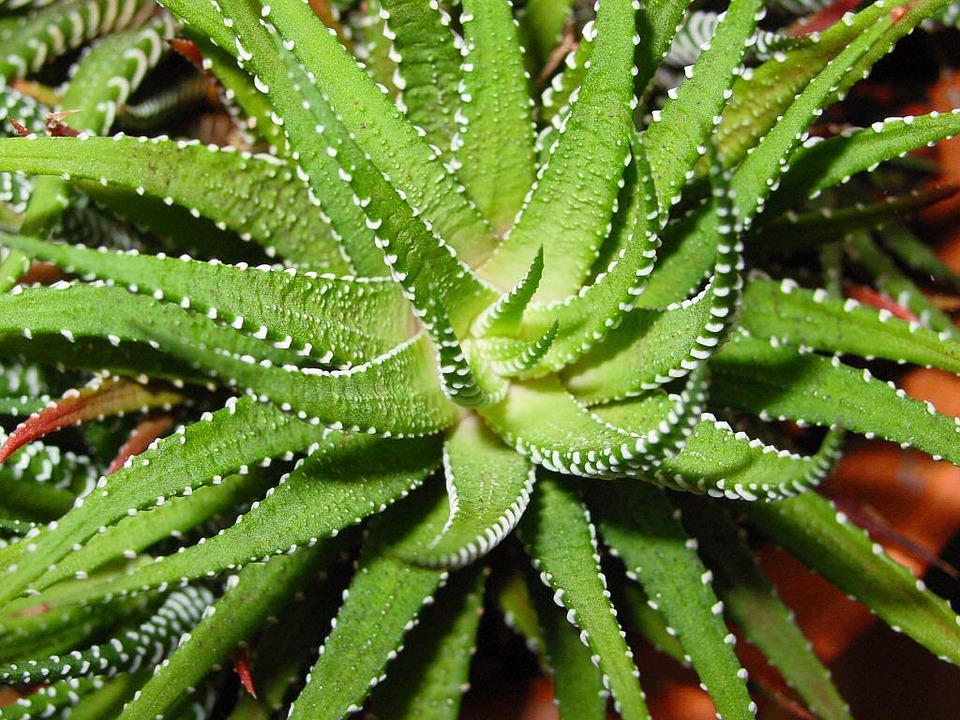
4. Aloe Vera
Aloe vera gel can provide a soothing and cooling effect on irritated skin.
Choose a simple aloe vera gel without added fragrance or alcohol, and test it on a small area first. Aloe vera should not be relied upon to prevent infection

5. Salicylic Acid
Salicylic acid is an ingredient found in some skincare products and may help exfoliate the skin and clear blocked pores.
Please note: Aspirin is not the same as topical salicylic acid. Avoid applying crushed aspirin mixtures to your skin, as they can cause irritation or allergic reactions.
If you want to try salicylic acid, use a properly formulated skincare product and follow its instructions.
6. Baking Soda
Baking soda is sometimes used as a home remedy to exfoliate the skin and relieve itching. However, it can irritate the skin and disturb its natural protective barrier.
For this reason, I would recommend avoiding baking soda on freshly shaved or sensitive skin.

-
7. Shea Butter
Shea butter is good for moisturising dry skin and may help reduce dryness after shaving.
However, it is not a proven treatment for razor bumps. Use a small amount and choose a gentle product suitable for your skin.
8. Cucumber
Place cool cucumber slices on the shaved area to provide a soothing and refreshing sensation.
Make sure the cucumber and your hands are clean, and avoid applying it to broken skin.
9. Honey
Honey may provide some soothing effects for certain skin types, but ordinary household honey is not a proven treatment for razor bumps.
If your skin is irritated, a gentle, fragrance-free moisturiser may be a safer option.
Do you get razor bumps? What do you use to relieve your razor bumps? Do you have any other tips?
Please drop your comments in the comment box.
Thanks for reading! ❤️
.


Leave a Reply