Tag: Hair

  • 15 negative things people said about my natural hair

    15 negative things people said about my natural hair

    .


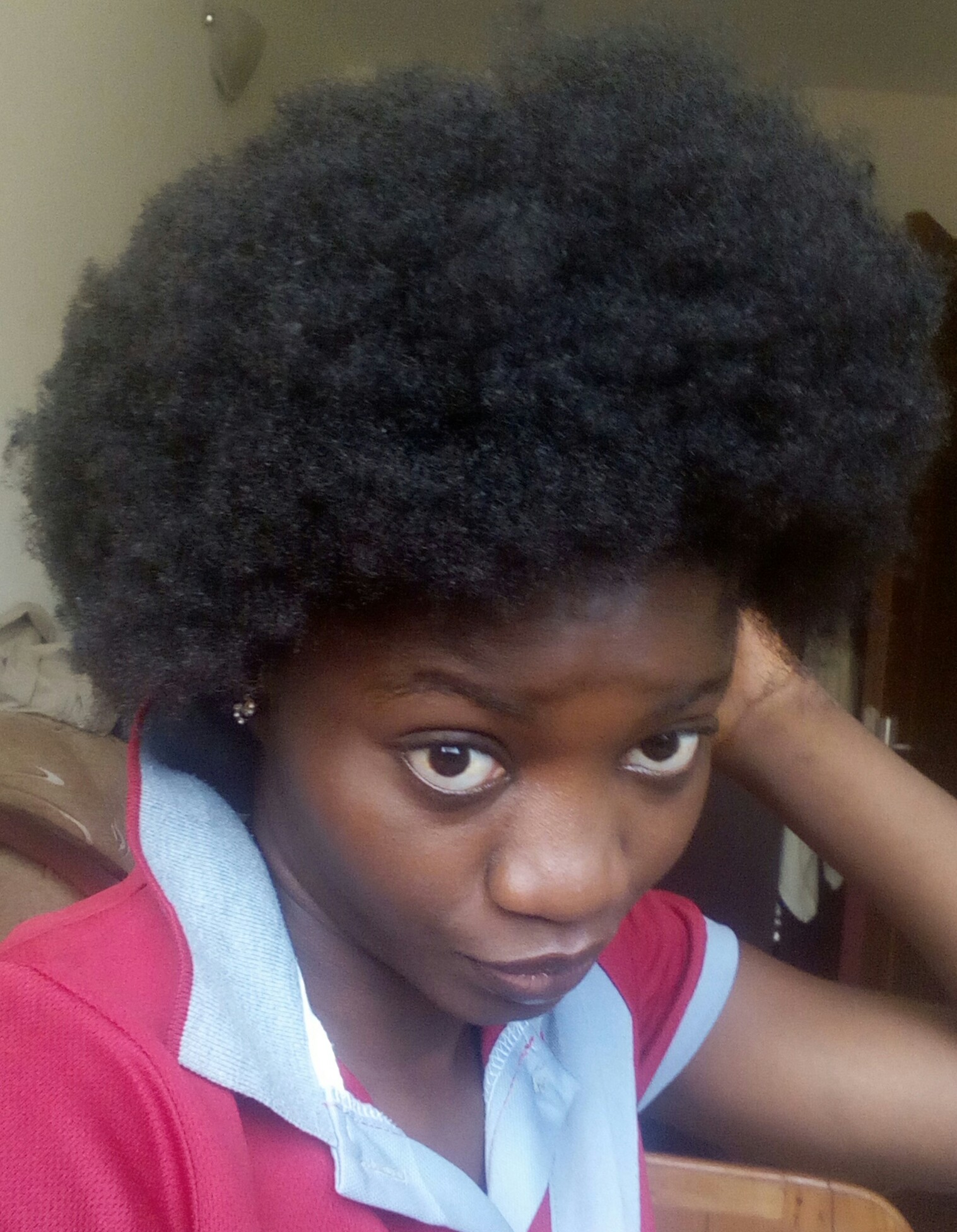
    Woman wearing her natural hair in a rounded shape

    Hey guys! How are you all doing?

    Today, I want to share some of the negative things people have said to me about my natural hair.

    I believe most of us naturalistas have heard the good, the bad and the downright ugly comments about our hair from friends, colleagues, co-workers and even family members, especially when we first started our natural hair journey.

    I believe that going natural, or choosing to remain natural, should be entirely your own decision. What other people think or say about your hair shouldn’t determine how you feel about it.

    Personally, I never allowed these negative comments to discourage me. If anything, they made me even more determined to embrace my natural hair and stand by my decision.

    Here are 15 negative comments I’ve received:

    15 negative things people said about my natural hair

    1. “If I were your boyfriend, I would have broken up with you because of your hair.”

    Imagine being told that someone would end a relationship because of your hairstyle. It is incredible how something as personal as natural hair can become a reason for someone to question your attractiveness or worth.

    2. “I will buy a chemical relaxer for you. I think you can’t afford one.”

    This comment suggested that the only reason I was wearing my natural hair was because I couldn’t afford a relaxer. It never occurred to the person that perhaps I actually wanted to wear my hair naturally.

    3. “You will soon get tired of your natural hair.”

    People seemed convinced that wearing natural hair was just a phase. But why assume that someone will eventually get tired of something they have deliberately chosen?

    4. “Your hair looks too untidy because it isn’t slicked down like relaxed hair.”

    Natural hair doesn’t always lie flat, and it doesn’t have to. Our hair has texture, volume and personality. Not every hairstyle needs to be slicked down to look presentable.

    5. “Those hairstyles you see online, like Bantu knot-outs and twist-outs, are sew-in weaves. Your hair can never look like that.”

    This was particularly interesting because it suggested that natural hair couldn’t achieve the styles I admired. Twist-outs and Bantu knot-outs are real styling techniques that can create beautiful results on natural hair.

    6. “Your hair won’t grow.”

    This is one of the misconceptions about natural hair that I find particularly frustrating. Natural hair grows, just like other hair types. Sometimes shrinkage makes it appear shorter, and length retention can require patience and consistent care.

    7. “Don’t you have money to go to the salon?”

    Apparently, choosing to care for your own hair at home meant you couldn’t afford a salon visit. But doing your own hair can be a choice, not a financial limitation.

    8. “Is that an afro? That’s old school. People don’t do that anymore.”

    An afro is not outdated. Natural hair has been beautiful for generations, and there is no reason to abandon a hairstyle simply because someone thinks it is no longer fashionable.

    9. “Don’t come to my house with natural hair.” (It was a joke, though.)

    Even when comments are made jokingly, they can still make you wonder why your natural appearance is considered something to be embarrassed about.

    10. “Don’t ever wear your hair out. It’s not nice. Always put on wigs or use extensions to braid or twist.”

    Why should natural hair always need to be covered? Wigs, extensions and braids can be lovely styling options, but wearing your own hair out should be just as acceptable.

    Read also: Tangles and Knots in Natural Hair: 10 Ways to Prevent Them

    Woman wearing afro puff with twists

    11. “Your hair looks weird.”

    Weird according to whom? Natural hair comes in different textures, shapes and densities. Something unfamiliar to one person can be completely normal and beautiful to another.

    12. “You need a lot of makeup to accentuate your look with that hair.”

    This comment seemed to suggest that natural hair somehow made my appearance less attractive unless I wore more makeup. Hair should not determine how much makeup someone feels they need to wear.

    13. “You are only limited to styles like cornrows and African threading.”

    Natural hair offers so many styling possibilities. From twist-outs and braid-outs to Bantu knots, puffs, afros and protective styles, there is far more variety than people sometimes realise.

    14. “Why are you using fruits and kitchen ingredients on your hair? They’re meant to be eaten.”

    Natural hair care has a long history of using ingredients from nature. Of course, not every kitchen ingredient is suitable for every person’s hair or scalp, but that doesn’t mean every natural hair remedy is pointless.

    15. “You are wasting your time, money and energy on that hair. Is it worth it?”

    Yes, caring for natural hair takes time and effort. But so does caring for any hair type. The important thing is whether the routine works for you and whether you enjoy your hair.

    Read also: 17 causes of hair breakage and how to fix it.

    What these comments taught me about wearing natural hair

    Looking back, these comments say a lot about the expectations people have about hair, beauty and appearance.

    For some people, relaxed hair was the standard of what neat hair should look like. Others assumed that natural hair was difficult, unattractive, old-fashioned or simply a temporary phase.

    But natural hair doesn’t have to meet everybody else’s expectations.

    It can be worn in an afro, stretched, braided, twisted, tucked away or left out. You can use products, experiment with different techniques and find a routine that suits your lifestyle.

    And you don’t need to justify your decision to wear your hair naturally.

    Read also: Are You Combing Your Natural Hair the Right Way?

    Juicy two strand twists on natural hair
    Juicy two strand twits on natural hair

    Natural hair is not for everybody, and that’s okay

    I don’t believe everyone has to go natural. Relaxed hair, natural hair, wigs, braids and weaves are all personal choices.

    What I do believe is that people should be able to make those choices without being made to feel inferior.

    If you love your natural hair, wear it proudly. If you prefer another hairstyle, that’s your choice too.

    The problem is not having a preference. The problem is making someone feel that their hair is not good enough because it doesn’t match yours.

    Read also: Dandruff: Causes and Home Remedies
    Originally published in 2017 and updated in November 2026 with refreshed content and photographs.

  • 17 causes of hair breakage and how to fix it.

    17 causes of hair breakage and how to fix it.


    Hair breakage can be so heartbreaking and frustrating, especially to women, because the hair is a woman’s glory and an important part of our lives. There are so many causes of hair breakage, some of which may look harmless or innocent. The reasons range from carelessness, over-processing, hairstyles and even the way we handle our hair. Below are some causes of hair breakage and their solutions.


    1. Dehydration:
      Not drinking enough water on a daily basis can affect your overall health, including the health of your hair. Your body needs enough water to function properly, and staying hydrated is important for healthy hair. However, dryness and breakage can also be caused by how we care for and moisturise our hair.
    2. Unhealthy eating habits:When you depend on junk foods most of the time and neglect healthy foods necessary for healthy hair growth and strength, your hair can definitely suffer the consequences. Eat more healthy and nutritious foods to support healthy hair growth and strength.
    3. Split ends: This is the splitting of the hair ends as a result of heat, mechanical and chemical damage. It makes the ends of the hair look unequal and ragged. Trimming the split ends is the best remedy for this. You may feel reluctant about trimming your ends. If you don’t, the split can continue travelling up the strand and cause more damage.
    4. Combing hair when wet: Hair is more fragile when wet and tends to stretch and break more easily when handled roughly in this state. If you need to comb your hair when it is wet or damp, use a wide-tooth comb and be very gentle. Avoid forcing a comb through tangled hair.
    5. Chemical processing: Applying relaxers and dye too often to your hair can drastically weaken it and cause breakage. Some people opt for relaxing every month, which shouldn’t be necessary for most people. Retouching or chemically processing the hair too frequently can weaken the hair, especially when the chemicals overlap onto previously processed hair. Avoid unnecessary chemical processing or use it sparingly to help prevent hair breakage. 
    6. Towel drying: Using a towel each time you dry your hair and rubbing it rigorously can cause friction and lead to hair breakage. An alternative is to wrap your hair with an old T-shirt and gently squeeze out the excess water, then allow it to air dry.

      Towel drying
    7. Heat: If you are fond of flat ironing or blow-drying your hair every day, you might be putting your hair at risk of serious damage. Excessive heat can make the hair dry, weak and more prone to breakage. Limit excessive heat usage and always use a heat protectant when using heat on your hair. 
    8. Lack of moisture: Hair needs moisture especially African hair which is very dry, making it more susceptible to breakage. To moisturize your hair effectively, use the LOC (liquid, oil and cream) method. Starts by applying a water based leave in conditioner on your hair, follow it up with oil and seal with cream or butter e.g shea butter. Also deep condition your hair once weekly to retain moisture
    9. Over manipulation: Touching your hair too much can also make it easier for it to break off, so keep your hands off your hair.
    10. Exposure to ultraviolet rays and chlorinated water: Exposing your hair too often to harmful sun rays can break it too, applying avocado oil on your hair can prevent this. Whenever your hair comes in contact with chlorine maybe from a swimming pool, make sure to wash it thoroughly to avoid breakage.
    11. Hair products: Some hair products contain ingredients too harmful or drying for hair such as petrolatum, isopropyl alcohol, mineral oil, sodium lauryl sulfate etc. Go for natural ingredients such as Shea butter, coconut oil, castor oil, depending on what your hair needs.
    12. Prolonged and tight hairstyles: Keeping a hairstyle in for too long can be a reason for hair breakage, especially when the hair becomes tangled, dry or difficult to manage. Tight hairstyles can also pull, snap and snag your hair, and repeated tension around the edges can cause damage. Therefore, don’t keep your hair in for too long and stay away from hairstyles that are too tight or painful. 
    13. Combing: There is a saying that combing the hair often can make your hair longer. That’s definitely not true. Combing your hair too often or too aggressively can cause unnecessary manipulation and breakage. When you gather all the strands that come off each time you comb for about a week, you may be surprised by how much hair has broken or shed.
    14. Leaving the hair out too often: When hair is out most of the time, it can be easily manipulated, making it easier for breakage to occur. Protective hairstyles can help reduce excessive manipulation. Wear your hair in styles that protect your hair and, when appropriate, keep your ends tucked in.
    15. Washing hair frequently: Washing your hair too frequently, especially with harsh shampoos, can strip the hair of some of its natural oils and leave it feeling dry, which may contribute to breakage. However, you don’t necessarily have to wash your hair only once a week. Find a washing routine that works for your hair type, scalp and lifestyle.  Ensure you condition and moisturise your hair properly.
    16. Hairbands: Rubber bands and metal hairbands can pull, snag and rip the hair with repeated use. Make use of satin or silk hairbands and metal-free hairbands instead. Also, avoid tying your hair too tightly.
    17. Cotton pillowcase: This sounds harmless, but cotton pillowcases can create friction with your hair while you sleep and may contribute to dryness and breakage. Use a satin or silk pillowcase, wear a satin or silk scarf. You can also use a satin bonnet to protect your hair while you sleep.

    Read also: Are You Combing Your Natural Hair the Right Way?

    Other solutions include:

    1. Hot oil treatment: This can help to soften and condition the hair, especially when the hair feels dry.
    2. Protein treatment: Protein treatments can help strengthen hair that has become weak or damaged. However, don’t overuse them, as too much protein can make some hair feel stiff and dry.
    3. Deep conditioning: Deep conditioning regularly helps to keep the hair moisturised, soft and manageable, which can help reduce breakage.
    4. Castor oil application: Castor oil can help to seal in moisture and reduce dryness, especially when used with a moisturising product. Remember that castor oil itself does not moisturise the hair; it helps to seal in moisture.
    5. Washing hair in sections: For natural hair, washing the hair in sections can help to minimise tangling and excessive manipulation, which can help reduce breakage.

    Read also: Tangles and Knots in Natural Hair: 10 Ways to Prevent Them

    Thanks a lot for reading. ❤️ I will appreciate all your comments, likes and shares.

  • Are You Combing Your Natural Hair the Right Way?

    Are You Combing Your Natural Hair the Right Way?

    Combing natural hair can be a challenge, depending on your hair type. While 3C and 4A hair may be a little easier to comb, those of us with 4B and 4C hair know just how difficult it can be.

    4C hair, in particular, can be very challenging to comb.

    Some of us dread combing our hair because of the breakage, tangles, knots and, of course, the pain that can come with it.

    But what if some of the things we do while combing are actually making the process harder?

    Here are some common mistakes that can make combing natural hair more difficult.


    What Makes Combing Natural Hair Difficult?

    1. Not Moisturising

    Combing your hair when it is dry and without adequate moisture can turn the process into a tug of war.

    Dry hair can be more difficult to manipulate, and trying to force a comb through it can result in unnecessary breakage and pain.

    Moisturise your hair before you start combing.

    A woman gently applies water to define and moisturize her curls at home.

    2. Combing From the Roots to the Ends

    Doing this is almost like asking your hair to break off.

    Tangles and knots are usually concentrated towards the ends of the hair. Starting at the roots means you are dragging those tangles through the entire length of your hair.

    Instead, start from the ends and gradually work your way up towards the roots.

    Read also:  Tangles and Knots in Natural Hair: 10 Ways to Prevent Them


    3. Not Being Gentle and Patient

    If you are rushing out to go somewhere, it may not be the best time to comb your hair.

    When you are in a hurry, you are less likely to have the patience and gentleness needed to properly detangle your hair.

    You can wake up earlier so you have enough time, or you can detangle and style your hair the previous night.

    Don’t rush your hair.


    4. Not Twisting, Braiding or Pineappling Your Hair Before Sleeping

    When you go to bed without preparing your hair, you may wake up with more knots and tangles the following morning.

    And then, of course, you have even more work to do when it is time to comb your hair!

    Twisting, braiding or pineappling your hair before bedtime can help reduce unnecessary tangling.


    5. Using the Wrong Type of Comb

    The type of comb you use matters.

    If you are using a fine-tooth comb on your natural hair, you may be setting yourself up for unnecessary breakage.

    A wide-tooth comb is a much better option for detangling natural hair.

    And if you visit a hairstylist, make sure you let them know how you want your natural hair handled. Don’t be afraid to ask them not to use a fine-tooth comb on your hair.


    6. Combing Wet Hair

    Hair is very vulnerable and flexible when wet, so be mindful when handling it in this state.

    If you are going to detangle or comb your hair while it is wet, make sure you are gentle and avoid forcing a comb through tangled hair.


    How to Comb Natural Hair the Right Way

    Now that we’ve looked at some of the things that can make combing difficult, let’s talk about how to make the process easier.

    1. Detangle First

    Always detangle your hair before combing, preferably with your fingers. A wide-tooth comb can also be used if needed.

    Start from the ends and gently work your way up towards the roots.

    This can save you a lot of stress when it is finally time to use your comb.


    2. Moisturise Your Hair

    Make sure you moisturise your hair before combing.

    You can use the LOC or LCO method to moisturise your hair before you begin.

    This can make your hair easier to work with and help reduce the pain and difficulty experienced while combing.


    3. Try Finger Combing

    Finger combing involves using your fingers to gently work through your hair instead of immediately reaching for a comb.

    It takes more time and is best done when you are not in a hurry, but it can be worth the effort.

    You can divide your hair into about 8–12 sections and take your time working through each section.

    For 4C hair, finger combing can be a great way to reduce the amount of manipulation from combs.


    4. Use a Wide-Tooth Comb

    If you prefer using a comb, a wide-tooth comb is one of the best options for natural hair.

    A lot of naturalistas swear by wide-tooth combs because they allow you to work through the hair without forcing the teeth too closely together.


    5. Comb From the Ends to the Roots

    Natural hair should generally be combed from the ends towards the roots because of its kinky and curly nature.

    Unlike relaxed or straight hair, natural hair can easily form knots and tangles along its length.

    Start at the ends.

    Remove the knots and gently work through the tangles before gradually moving upwards.

    Ends → middle → roots.


    Final Thoughts

    Combing natural hair doesn’t have to be a battle.

    The key is to prepare your hair, take your time, work in sections and be gentle.

    Your natural hair deserves patience and care.

    And if you have 4C hair like I do, you already know that sometimes your fingers can be your best comb!

    So, the next time you pick up your comb, ask yourself:

    Are you combing your natural hair the right way?

    What combing challenges have you experienced? Do you finger-comb or use a wide-tooth comb?

    I’d love to hear from you in the comments. ❤️