
Hair breakage can be so heartbreaking and frustrating, especially to women, because the hair is a woman’s glory and an important part of our lives. There are so many causes of hair breakage, some of which may look harmless or innocent. The reasons range from carelessness, over-processing, hairstyles and even the way we handle our hair. Below are some causes of hair breakage and their solutions.

- Dehydration:
Not drinking enough water on a daily basis can affect your overall health, including the health of your hair. Your body needs enough water to function properly, and staying hydrated is important for healthy hair. However, dryness and breakage can also be caused by how we care for and moisturise our hair. - Unhealthy eating habits:When you depend on junk foods most of the time and neglect healthy foods necessary for healthy hair growth and strength, your hair can definitely suffer the consequences. Eat more healthy and nutritious foods to support healthy hair growth and strength.
- Split ends: This is the splitting of the hair ends as a result of heat, mechanical and chemical damage. It makes the ends of the hair look unequal and ragged. Trimming the split ends is the best remedy for this. You may feel reluctant about trimming your ends. If you don’t, the split can continue travelling up the strand and cause more damage.

- Combing hair when wet: Hair is more fragile when wet and tends to stretch and break more easily when handled roughly in this state. If you need to comb your hair when it is wet or damp, use a wide-tooth comb and be very gentle. Avoid forcing a comb through tangled hair.
- Chemical processing: Applying relaxers and dye too often to your hair can drastically weaken it and cause breakage. Some people opt for relaxing every month, which shouldn’t be necessary for most people. Retouching or chemically processing the hair too frequently can weaken the hair, especially when the chemicals overlap onto previously processed hair. Avoid unnecessary chemical processing or use it sparingly to help prevent hair breakage.

- Towel drying: Using a towel each time you dry your hair and rubbing it rigorously can cause friction and lead to hair breakage. An alternative is to wrap your hair with an old T-shirt and gently squeeze out the excess water, then allow it to air dry.

Towel drying - Heat: If you are fond of flat ironing or blow-drying your hair every day, you might be putting your hair at risk of serious damage. Excessive heat can make the hair dry, weak and more prone to breakage. Limit excessive heat usage and always use a heat protectant when using heat on your hair.

- Lack of moisture: Hair needs moisture especially African hair which is very dry, making it more susceptible to breakage. To moisturize your hair effectively, use the LOC (liquid, oil and cream) method. Starts by applying a water based leave in conditioner on your hair, follow it up with oil and seal with cream or butter e.g shea butter. Also deep condition your hair once weekly to retain moisture
- Over manipulation: Touching your hair too much can also make it easier for it to break off, so keep your hands off your hair.

- Exposure to ultraviolet rays and chlorinated water: Exposing your hair too often to harmful sun rays can break it too, applying avocado oil on your hair can prevent this. Whenever your hair comes in contact with chlorine maybe from a swimming pool, make sure to wash it thoroughly to avoid breakage.
- Hair products: Some hair products contain ingredients too harmful or drying for hair such as petrolatum, isopropyl alcohol, mineral oil, sodium lauryl sulfate etc. Go for natural ingredients such as Shea butter, coconut oil, castor oil, depending on what your hair needs.
- Prolonged and tight hairstyles: Keeping a hairstyle in for too long can be a reason for hair breakage, especially when the hair becomes tangled, dry or difficult to manage. Tight hairstyles can also pull, snap and snag your hair, and repeated tension around the edges can cause damage. Therefore, don’t keep your hair in for too long and stay away from hairstyles that are too tight or painful.

- Combing: There is a saying that combing the hair often can make your hair longer. That’s definitely not true. Combing your hair too often or too aggressively can cause unnecessary manipulation and breakage. When you gather all the strands that come off each time you comb for about a week, you may be surprised by how much hair has broken or shed.
- Leaving the hair out too often: When hair is out most of the time, it can be easily manipulated, making it easier for breakage to occur. Protective hairstyles can help reduce excessive manipulation. Wear your hair in styles that protect your hair and, when appropriate, keep your ends tucked in.
- Washing hair frequently: Washing your hair too frequently, especially with harsh shampoos, can strip the hair of some of its natural oils and leave it feeling dry, which may contribute to breakage. However, you don’t necessarily have to wash your hair only once a week. Find a washing routine that works for your hair type, scalp and lifestyle. Ensure you condition and moisturise your hair properly.
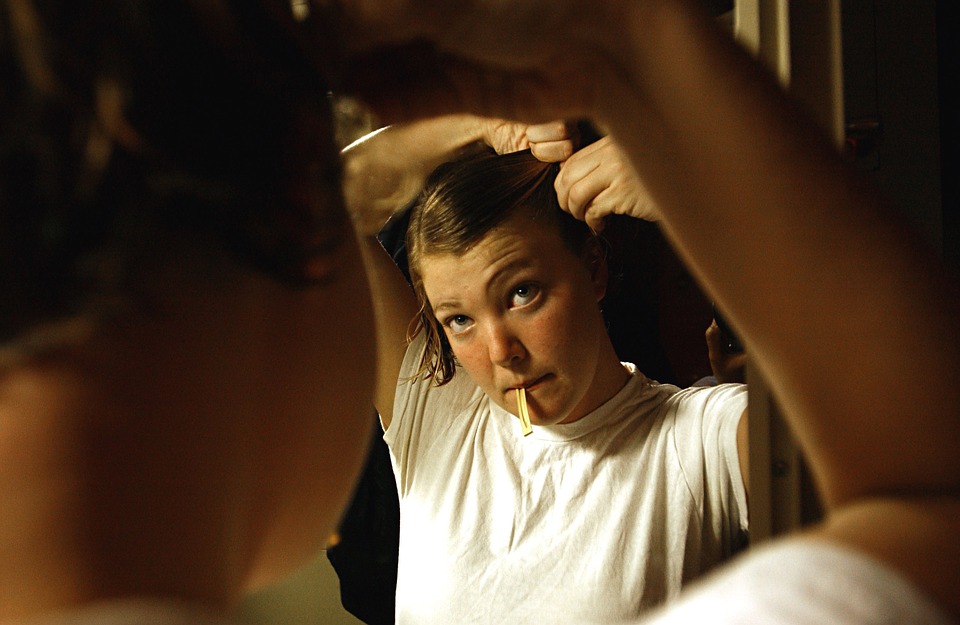
- Hairbands: Rubber bands and metal hairbands can pull, snag and rip the hair with repeated use. Make use of satin or silk hairbands and metal-free hairbands instead. Also, avoid tying your hair too tightly.
- Cotton pillowcase: This sounds harmless, but cotton pillowcases can create friction with your hair while you sleep and may contribute to dryness and breakage. Use a satin or silk pillowcase, wear a satin or silk scarf. You can also use a satin bonnet to protect your hair while you sleep.
Read also: Are You Combing Your Natural Hair the Right Way?
Other solutions include:
- Hot oil treatment: This can help to soften and condition the hair, especially when the hair feels dry.
- Protein treatment: Protein treatments can help strengthen hair that has become weak or damaged. However, don’t overuse them, as too much protein can make some hair feel stiff and dry.
- Deep conditioning: Deep conditioning regularly helps to keep the hair moisturised, soft and manageable, which can help reduce breakage.
- Castor oil application: Castor oil can help to seal in moisture and reduce dryness, especially when used with a moisturising product. Remember that castor oil itself does not moisturise the hair; it helps to seal in moisture.
- Washing hair in sections: For natural hair, washing the hair in sections can help to minimise tangling and excessive manipulation, which can help reduce breakage.
Read also: Tangles and Knots in Natural Hair: 10 Ways to Prevent Them
Thanks a lot for reading. ❤️ I will appreciate all your comments, likes and shares.


Leave a Reply